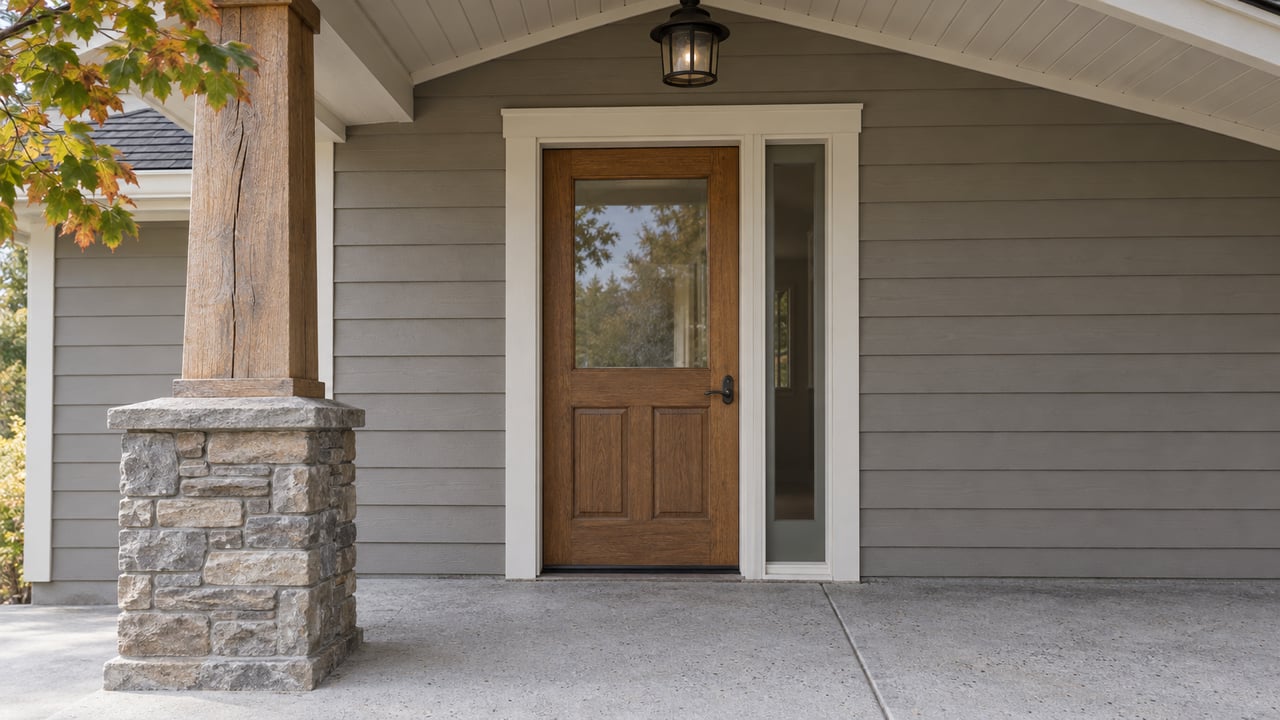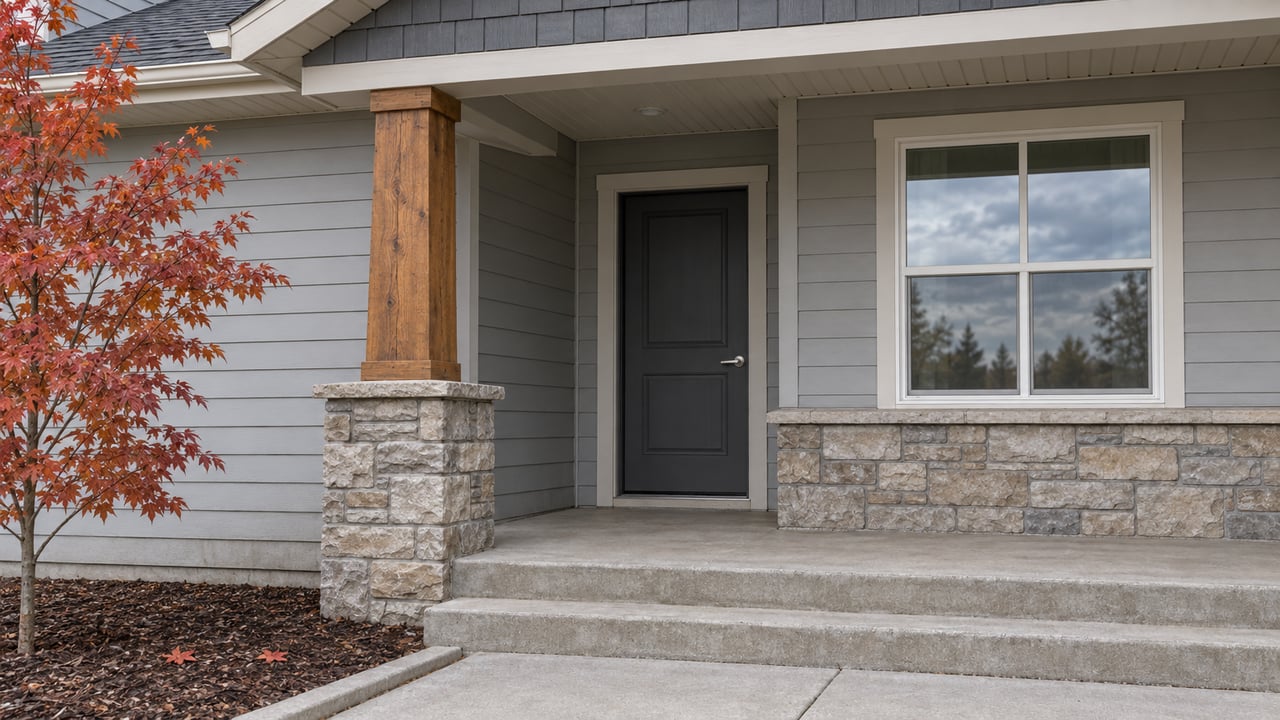
Thinking about buying a single-family rental in Saratoga Springs? You’re not alone. This fast-growing Utah County city keeps drawing attention from investors who want stable tenants, newer homes, and long-term demand. In this guide, you’ll learn how to evaluate Saratoga Springs through an investor lens, from demand drivers and supply risks to the numbers that matter for cash flow. Let’s dive in.
The short answer
Saratoga Springs has many fundamentals that support SFR investing: family-oriented demographics, proximity to major job centers, and a large stock of newer homes. That said, success depends on micro-market pricing, achievable rents, HOA rules, and how much new construction comes online. If you underwrite at the neighborhood and property level, you can find opportunities that balance cash flow with appreciation potential.
Demand drivers to watch
Population and household growth
Saratoga Springs has expanded quickly over the past decade. You can verify resident and household trends in the city’s profile from the U.S. Census Bureau’s American Community Survey. Start with the city overview to understand age mix, household size, and tenure patterns in Saratoga Springs’ official profile on data.census.gov.
Why it matters: rising households and larger average household sizes typically support 3 to 4 bedroom SFR demand and lower vacancy risk. Growth also tends to stabilize lease-ups and support multi-year tenancies.
Jobs, wages, and commuting
Employment access is a core reason families choose Saratoga Springs. Commuters connect to Lehi, American Fork, Orem, and Provo via SR-73 and I-15. For a county-level view of job trends and sector mix, review Utah County’s Local Insights from the Utah Department of Workforce Services and the state overview from the Bureau of Labor Statistics.
Why it matters: consistent job and wage growth increase renter demand and the ability to pay. Commute convenience also helps reduce turnover because renters tend to stay when daily life is easier.
Affordability pressures
When home prices outpace incomes, some households remain renters longer. Track the relationship between prices and rents using simple ratios such as price-to-rent and gross rent multiplier. If purchase prices run far ahead of achievable rents, cash flow will be tighter and your pro forma needs to reflect that reality.
Typical tenant profile
Expect demand from family households and dual-income professionals who value proximity to schools, parks, and newer homes with garages and yards. These renters often prefer multi-year leases and are sensitive to commute times and nearby services.
Supply, vacancy, and leasing behavior
New construction pipeline
Saratoga Springs has seen substantial residential development. To gauge supply pressure, start with the U.S. Census Building Permits Survey and then confirm local pipeline and planned communities with the city’s Planning Department.
Why it matters: if single-family deliveries ramp up, rent growth can slow and lease-ups can stretch, especially in clusters of new subdivisions. HOA rules may also affect rental feasibility within planned communities.
Vacancy and seasonality
Vacancy expectations for SFRs vary by cycle, price point, and condition. As a general heuristic, vacancy under 5 percent signals tight conditions, while 7 to 8 percent suggests softening. Family moves tend to be cyclical, with peak leasing in late spring and summer. Plan renewals and pricing strategies to match these calendar patterns.
Days to lease and turnover
For SFRs, “days to lease” is a better leading indicator than for-sale DOM. In balanced to tight markets, well-priced homes in good condition often lease within 30 to 60 days. Turnover usually spikes around school calendar shifts and job changes, so keep make-ready standards and pricing tuned to those windows.
Underwriting: the numbers that matter
Price-to-rent and return metrics
Use property-level math rather than citywide averages. Core formulas to run on every deal:
- Price-to-rent ratio: PTR = purchase price / annual rent. Higher PTR usually compresses cash flow.
- Gross Rent Multiplier: GRM = purchase price / annual gross rent. Lower is generally better, all else equal.
- Net Operating Income: NOI = gross rent − operating expenses − vacancy allowance.
- Cap rate: NOI / purchase price. Compare to your target returns.
- Cash-on-cash return: pre-tax cash flow / cash invested.
- DSCR: NOI / annual debt service for financed deals.
Model base and stress cases. At minimum, test rent scenarios at base, −5 percent, and −10 percent, plus vacancy at 5 to 10 percent, and higher maintenance in the first two years.
Expenses and assumptions to verify locally
- Property taxes: confirm parcel-level assessments and recent history with the Utah County Assessor.
- Insurance: verify premiums and any coverage adjustments if a home is near Utah Lake or in a mapped flood area.
- Maintenance and turnovers: single-family homes often carry higher per-door maintenance than multifamily.
- Vacancy allowance: choose a realistic figure based on recent local data and your leasing plan.
- HOA covenants: check rental restrictions, minimum lease terms, and fees within master-planned communities.
How PTR shapes cash flow
- High PTR: You may see tighter cash flow at today’s rates. Focus on buying below market, improving rentability, or weighting returns toward appreciation.
- Lower PTR pockets: These can offer stronger initial yields but may appreciate more slowly. In Saratoga Springs, look block by block and subdivision by subdivision to balance yield and growth.
Micro-markets, amenities, and rentability
Lake proximity and open space
Neighborhoods closer to Utah Lake, trails, and parks can attract long-term family renters who value outdoor access. If you evaluate lake-proximate areas, run a flood exposure check and confirm insurance needs. Your agent can help you review local maps and disclosures before you commit.
HOA communities and consistency
Many subdivisions here feature consistent product types, which helps comps and rent setting. Review HOA rules early for any rental caps or lease minimums, and account for HOA fees in your NOI. When rules allow long-term rentals, consistent curb appeal can support faster lease-ups.
Commute corridors and services
Homes near SR-73 and connections to I-15 appeal to wage earners commuting to Lehi, American Fork, Orem, or Provo. You can visualize commuting flows using the Census OnTheMap tool. Access to grocery, healthcare, and everyday services also supports longer tenant tenure.
Schools and boundaries
Many renters prioritize proximity to schools. For boundary context, check the Alpine School District boundaries. Use neutral criteria in marketing and underwriting, and focus on objective distance and access.
What to collect before you write an offer
Use this practical checklist to move from interest to investment-grade underwriting:
- Rent comps: Pull 6 to 12 recent leases for similar SFRs and calculate median rent and days to lease.
- Building permits and pipeline: Confirm city and county permit trends via the Census Building Permits Survey and city Planning.
- Vacancy and absorption: Talk with local property managers about current vacancy and lease-up times for your target bedroom count and price range.
- Property taxes: Verify with the Utah County Assessor.
- Flood and environmental checks: Review local maps and insurance needs if near Utah Lake.
- HOA covenants: Confirm rental rules and any lease minimums or registration needs.
- Operating history: If available, request utility and maintenance history for the last 24 to 36 months.
- Affordability baseline: For broader context on rent levels, consult regional benchmarks like HUD Fair Market Rents and then adjust to local SFR comps.
- Employment context: Review Utah County employment trends via the Utah Department of Workforce Services and statewide indicators from the BLS.
Putting it together
Saratoga Springs checks key boxes for SFR demand, from growing family households to access to major job hubs. The market’s suitability for your portfolio comes down to micro-market pricing versus achievable rents, near-term supply from new construction, and your financing and management plan. If you underwrite with conservative rent and vacancy assumptions, verify taxes and HOA rules, and time your leasing with the seasonal surge, you can position for stable occupancy and solid long-term performance.
Ready to evaluate a specific property with local rent comps, GRM and cap rate analysis, and a clear offer strategy? Connect with Steve Schoonover for data-informed guidance and investor-focused representation.
FAQs
Is Saratoga Springs, UT a good city for single-family rental investing?
- It can be, if your purchase price aligns with achievable rents and you account for HOA rules, taxes, and the local new-construction pipeline; underwrite property by property.
What affects SFR vacancy and leasing in Saratoga Springs?
- Seasonality tied to school calendars, commute convenience to Lehi/Orem/Provo, and how much new supply is delivering near your target subdivision all influence vacancy and days to lease.
How should I estimate cash flow on a Saratoga Springs rental home?
- Calculate PTR, GRM, NOI, cap rate, and cash-on-cash return, then stress test rents and vacancy; confirm taxes with the county and verify HOA fees and rental restrictions.
Are HOAs common and do they limit rentals?
- Many subdivisions have HOAs; some set lease minimums or other restrictions, so review covenants early and include any fees or rules in your underwriting.
What data sources help me research the Saratoga Springs SFR market?
- Start with the U.S. Census for city demographics, Utah DWS and BLS for employment, Census Building Permits for supply, HUD FMR for a rent baseline, and city Planning for local pipeline context.