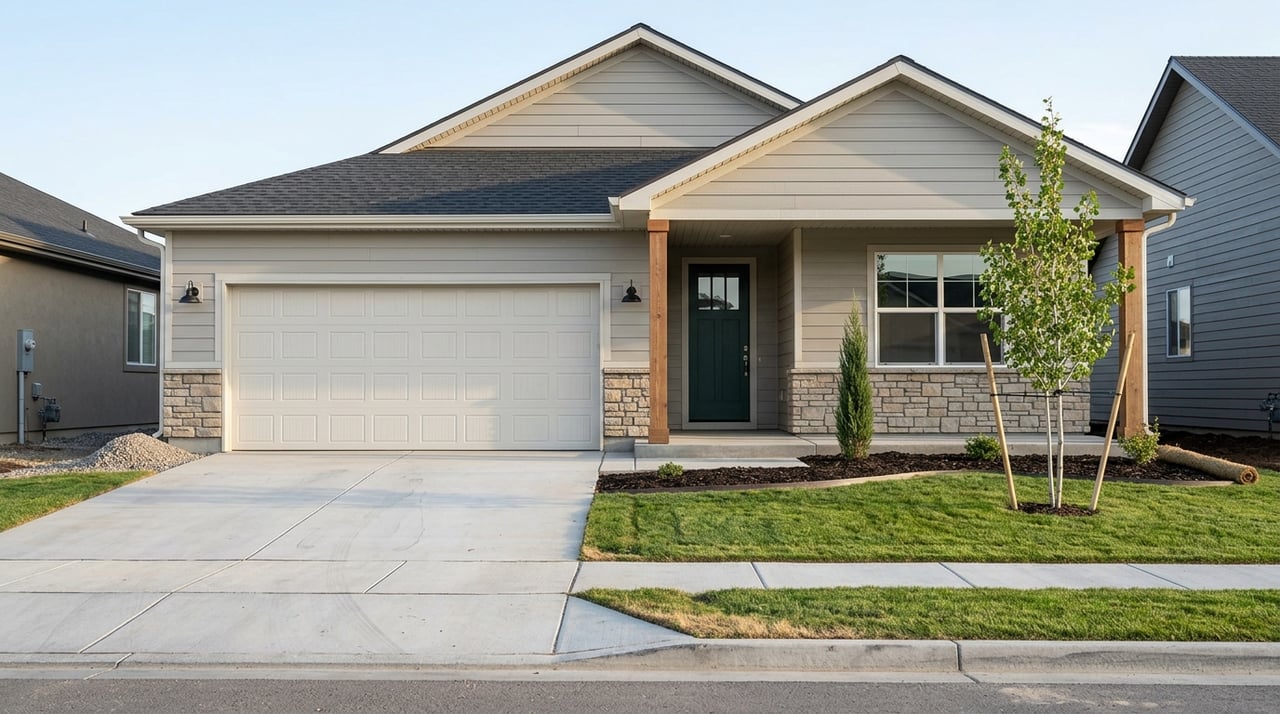
If you are looking at new construction in Herriman, it can feel exciting and overwhelming at the same time. You are not just choosing a house. You are also choosing a lot, a build timeline, an upgrade path, and in many cases a larger community plan that may still be evolving. This guide will help you understand how new construction works in Herriman so you can compare options with more confidence. Let’s dive in.
Herriman New Construction Today
Herriman is one of the faster-growing communities in Salt Lake County. According to the city, it grew from about 20,000 to 64,000 residents over the past 15 years, with 41% of homes made up of townhomes or apartments. The city also says roughly 14,000 homes are already entitled, and much of the future development is approved and underway.
That matters if you are shopping for a new home in 84096. Herriman’s market is not one single style of development. Instead, you will find a mix of large master-planned areas, smaller subdivision-style neighborhoods, and move-up or estate-lot communities.
Herriman’s 2022 General Plan also shows that future growth is being guided intentionally. The city describes a range of housing and lot types, with some areas expected to change more than others. For you as a buyer, that means the neighborhood around a new home may continue to develop after you move in.
Community Types in Herriman
Master-Planned Communities
Large, phased communities are a major part of Herriman’s new-build landscape. Olympia in northwestern Herriman is one of the clearest examples. The city says this 933-acre development will include residential housing, commercial areas, and open space over several phases and years.
If you are considering a home in a phased project like Olympia, the future site plan matters almost as much as the floor plan. The city notes that lot alignments are not final and may change before construction. That means roads, lot layouts, and open-space edges may look different later than they do in early marketing materials.
South Herriman is another important planning area. The city says this hillside area is being developed through multiple master development agreements, with roads and utilities planned ahead of homes. Density is intended to be closer to major corridors, while lower-density housing extends farther into the hillside.
Subdivision-Style Neighborhoods
Not every new community in Herriman feels like a large master plan. Some neighborhoods offer a more traditional subdivision setup with smaller sections and more defined lot sizes. These can appeal to buyers who want new construction without feeling like they are buying into a multi-year mega-project.
Ivory Homes’ Hidden Oaks Collection in West Herriman is one example. The community features lots ranging from 6,000 to 11,000 square feet, and its materials say full-yard localscaped landscaping is included. Hidden Oaks also includes cottage-style homesites and a larger Signature section with homesites from 8,000 to 15,000 square feet.
For buyers, this is a good reminder that sticker prices do not tell the whole story. One builder may include landscaping or other features that another treats as an upgrade. Comparing what is included can save you from underestimating your total cost.
Move-Up and Estate-Lot Options
Herriman also has new-construction choices for buyers who want more square footage or larger homesites. Toll Brothers at Denali Estates is one example, with luxury single-family homes on estate-sized home sites, three-car garages, and plans ranging from about 3,800 to 5,800 square feet.
Richmond American’s Teton Ranch is another example of move-up product in Herriman. The community offers ranch and two-story floor plans, with features such as attached RV garages in some plans, three-car garages, and optional finished basements on spacious homesites.
If you are moving up from a starter home, these communities can offer more flexibility in layout and garage space. Still, larger homes often come with larger site premiums, more upgrade decisions, and longer budgeting conversations.
New Build Versus Resale in Herriman
One of the biggest benefits of new construction is that you are getting newer systems and materials. A new home may offer energy-efficiency advantages and fewer immediate repair needs compared with an older resale property.
The tradeoff is that new construction often comes with less flexibility once plans are locked. Builders may limit changes based on the stage of construction or the specific community. Builder materials from Richmond American and Toll Brothers also note that added costs can include lot premiums, structural options, and design upgrades, while closing dates may shift as construction progresses.
If you are comparing new construction with resale in Herriman, think beyond the base price. A resale home may offer a more established setting and a faster move, while a new home may offer updated finishes and less maintenance up front. The right fit depends on your timeline, budget, and tolerance for construction variables.
Why Lot Selection Matters So Much
In Herriman, choosing the lot is a major part of the decision. In master-planned areas like Olympia and South Herriman, the lot affects not only your immediate setting but also your experience of future phases.
The city’s development information suggests buyers should pay close attention to where major roads, commercial areas, and later construction may be located. Since density is often concentrated near main corridors, one lot may feel very different from another even within the same neighborhood.
You should ask questions like:
- What phase is this lot in?
- What is planned nearby in future phases?
- Will roads, trails, or commercial pads be added close by?
- Is the lot near open space or near an area likely to see more construction later?
- Are lot lines and alignments final yet?
These questions can help you avoid surprises. A beautiful lot today may back future construction activity tomorrow if you do not understand the broader plan.
Permits, Site Conditions, and Build Requirements
Herriman’s permit process is another reason to look closely at the lot, not just the model home. The city requires building permits and inspections for new single-family dwellings. It also says plan review may require architectural review committee approval if the subdivision calls for it.
The city’s requirements also note that a licensed geotech soils report is required at footing, and landscaping must be installed to obtain a certificate of occupancy. For buyers, this points to practical issues like slope, soil conditions, drainage, utility access, and landscape timing.
In simple terms, two lots with the same floor plan may not behave the same way. Site conditions can affect timing, usability, and out-of-pocket costs, especially if the lot has grade changes or builder-controlled landscape standards.
Builder Contracts and What to Review
New-construction contracts are different from a standard resale purchase. The Utah Department of Commerce provides a generic residential construction agreement that outlines many of the terms buyers commonly see, including fixed price language, written change orders, schedule terms, selections, warranty provisions, and dispute procedures under Utah law.
The state also emphasizes that buyers should read and understand the agreement and consult an attorney if they have questions about the contract or its effect. That is especially important if you are committing to a home months before completion.
Herriman also notes that most licensed contractors involved in permitted work should be verifiable through Utah’s licensing system. Its building FAQ says the city confirms licensing for general, electrical, plumbing, and mechanical contractors involved in permitted work.
As you review a contract, pay close attention to:
- What is included in the base price
- How change orders must be handled
- Estimated completion timing
- What happens if delays occur
- How upgrades are priced and documented
- Warranty and repair procedures after closing
Timelines and Upgrade Budgets
One of the most common mistakes buyers make is underestimating how long a build can take or how quickly upgrade costs can add up. Toll Brothers says a build typically takes 6 to 12 months on average, although quick move-in homes may be available. Richmond American says some quick move-in homes can close in as fast as 30 days, while to-be-built homes involve a design and selections process.
That range matters if you are coordinating a lease ending, a home sale, or a school-year move. Builder materials also make clear that closing dates can change and may not be guaranteed. Flexibility can make the process less stressful.
Upgrade planning deserves the same level of attention. Depending on the builder and community, your added costs may include:
- Lot or home-site premiums
- Structural options
- Design studio selections
- Finish upgrades
- Landscaping differences
- Basement completion options
Some communities include more than others. For example, Ivory Homes’ Hidden Oaks materials state that full-yard localscaped landscaping is included, which may reduce some post-closing costs compared with communities where landscaping is a separate expense.
Inspections You Should Not Skip
A new home still needs careful review. Herriman has a structured inspection process that includes stages such as subrough, rough, insulation, drywall nailing, and final inspections. The city also says approved plans and the building permit must be on site for inspections, and that final approvals may involve other authorities depending on the project.
Even with city inspections, it is smart to stay engaged throughout the process. Attend walkthroughs, take notes, and ask for clarification when something does not look right. A detailed approach now can make move-in smoother.
Warranties and Post-Closing Follow-Through
Builder warranties are an important part of buying new construction, but they are not all the same. The FTC says newly built homes often come with limited coverage on workmanship and materials for the first year, systems such as HVAC, plumbing, and electrical for about two years, and some structural coverage for up to 10 years.
It also notes that many warranties do not cover out-of-pocket costs like temporary housing during repairs. In practice, that means you should understand what is covered, how claims must be submitted, and what deadlines apply.
Builder materials in the research report also show that warranty requests are often handled through online systems. A good habit is to keep every warranty request in writing and save your records from move-in forward.
HOA Rules Need a Close Look
Many Herriman new-construction communities are governed by HOAs, so due diligence should include more than monthly dues. Utah’s HOA homebuyer checklist recommends reviewing whether there is a builder or developer warranty, whether the HOA has an official fee schedule, whether design rules or an architectural review committee apply, and whether dues are subsidized during build-out.
The checklist also says buyers should understand what services dues cover and what remains their personal responsibility. That is especially useful in new communities where landscaping standards, exterior modifications, sheds, rentals, and other changes may be limited by community rules.
Before you close, make sure you know:
- Current HOA dues
- What the dues cover
- Whether dues could change after build-out
- Whether there are design review rules
- Whether there are closing or reinvestment fees
- What exterior or landscape changes require approval
The Big Picture in Herriman
The main thing to remember is that buying new construction in Herriman is about more than selecting a floor plan you like. You are also choosing a phase, a lot position, a timeline, an upgrade budget, and a set of community rules that can shape your day-to-day experience.
That is why local guidance matters. When you understand how Herriman’s development patterns, builder terms, and community requirements work together, you can make a cleaner comparison between neighborhoods and avoid expensive surprises later.
If you are weighing new construction in Herriman and want a clear, practical strategy for comparing communities, timelines, and resale alternatives, connect with Steve Schoonover for expert guidance tailored to your move.
FAQs
What makes new construction in Herriman different from resale homes?
- New construction in Herriman often offers newer systems, updated finishes, and fewer immediate repair needs, but it may also involve builder timelines, upgrade costs, and evolving community plans.
What should you ask before choosing a lot in a Herriman new-build community?
- You should ask about the phase number, future roads, nearby commercial areas, open-space buffers, possible later construction nearby, and whether lot alignments are final.
How long does a new construction home in Herriman usually take to build?
- Builder information in the research report says timelines can range from about 30 days for some quick move-in homes to 6 to 12 months on average for a full build, depending on the community and stage of construction.
What HOA details matter most in Herriman new-construction neighborhoods?
- You should review dues, what they cover, design rules, approval requirements for exterior changes, whether fees are subsidized during build-out, and whether any closing or reinvestment fees apply.
What inspections are required for new homes in Herriman?
- Herriman’s required inspections include stages such as subrough, rough, insulation, drywall nailing, and final inspections, with additional final approvals possible depending on the project.