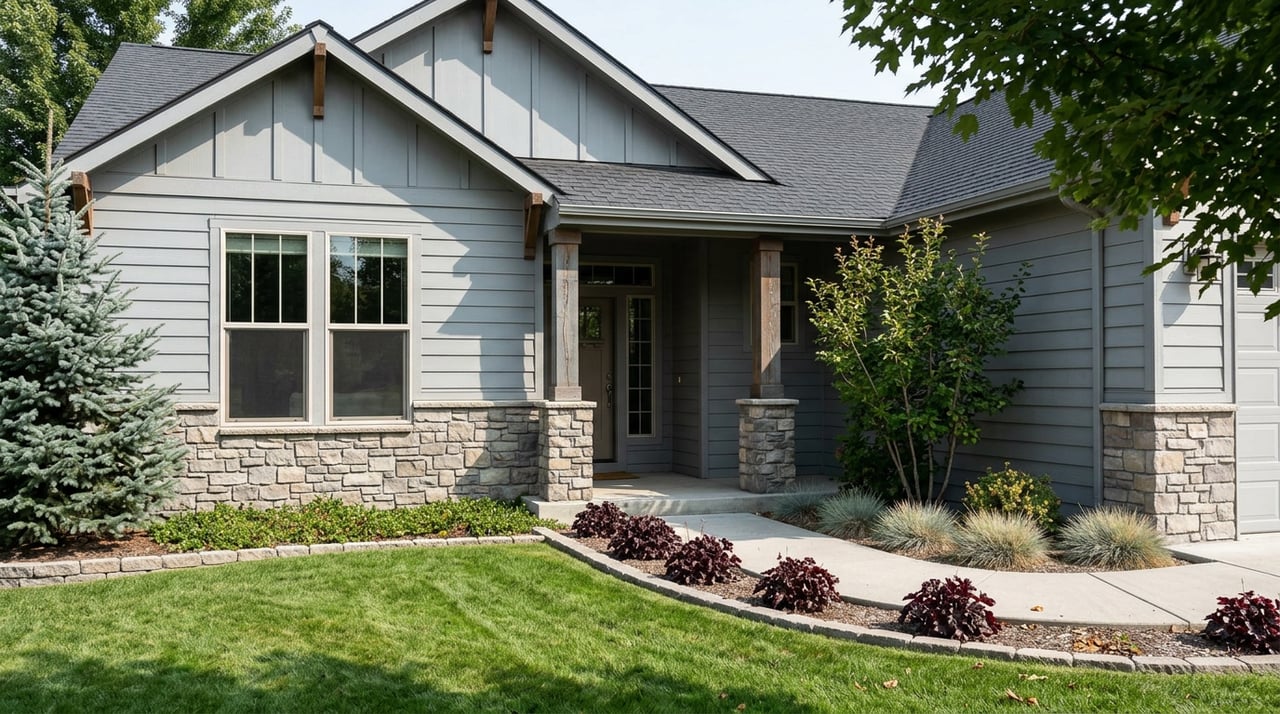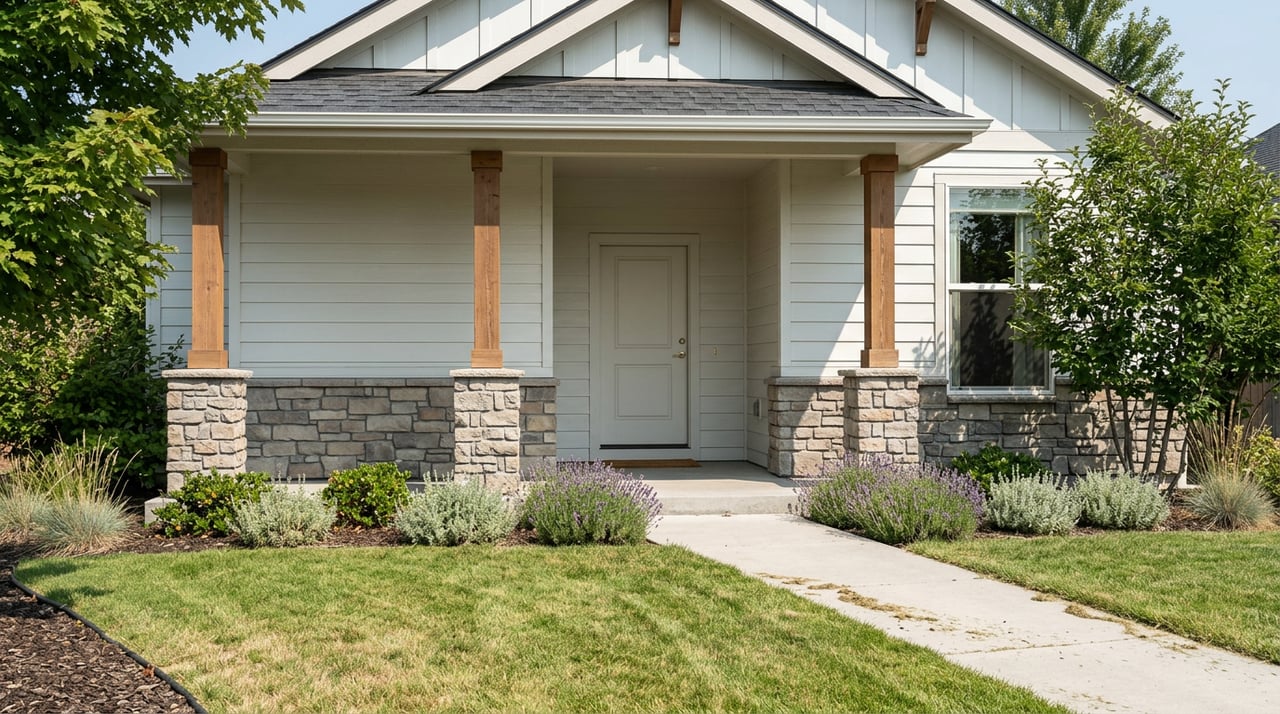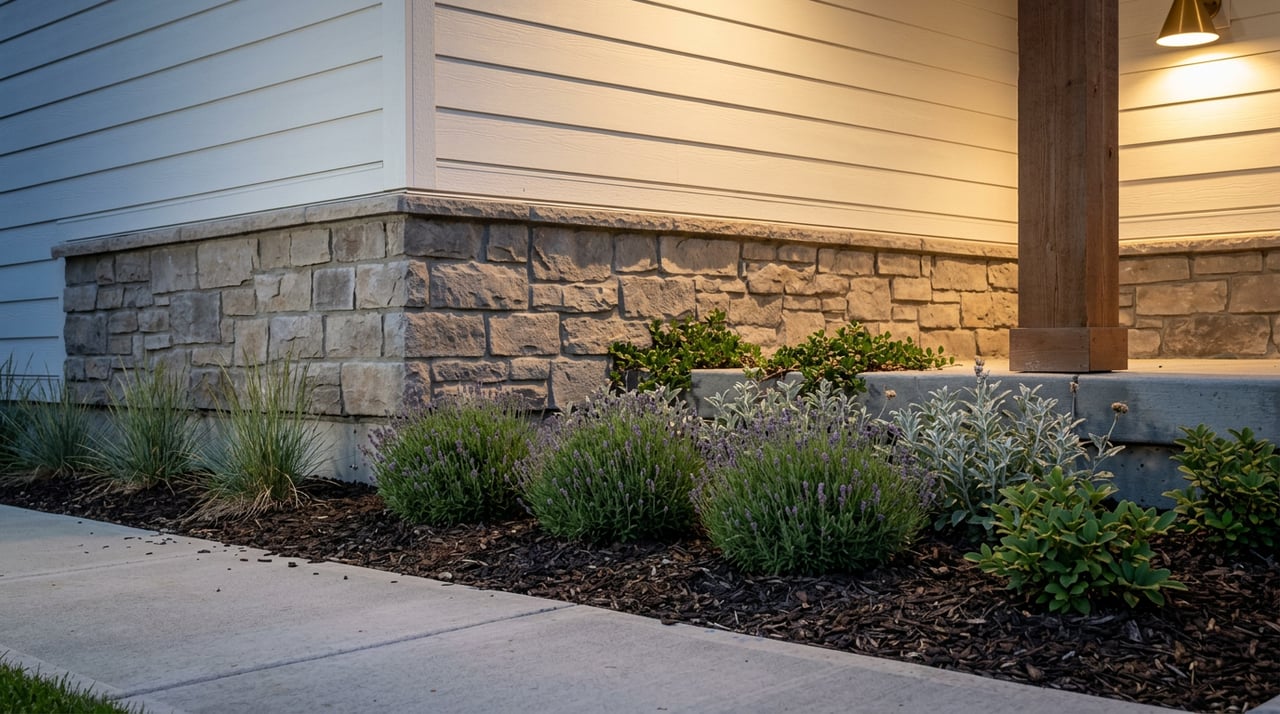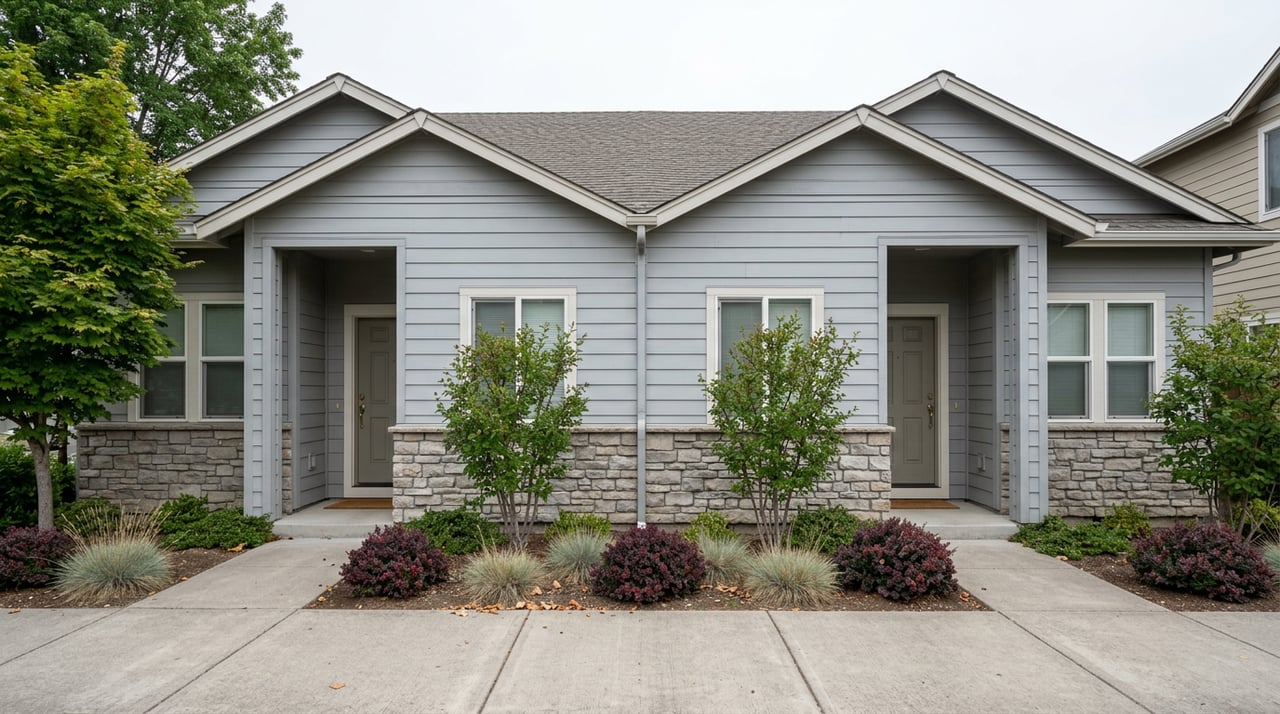
Josh Lewis has lived in his Daybreak townhome for about eight years. For most of that time, he paid around $440 a month between his master and sub-homeowners association fees, a number that felt reasonable for a community with a lake, a pool network, and dozens of miles of trails. Then the wood under his windows started decaying. Water had been getting in for years. When the Daybreak Townhomes 1 Owners Association finally lost a construction-defect lawsuit against the original builders, the board sent a letter no one wanted to read: dues were going up $240 a month starting January 1, 2025, to fund repairs. That increase has been in effect for more than a year and a half now, and Lewis's total climbed to nearly $700 a month, or he could write a check for roughly $31,000 to be done with it in one shot.
Nothing about that increase would have shown up if Lewis had been comparing MLS listings before he bought. That's the part worth sitting with if you're shopping in Daybreak right now. The HOA figure on a listing sheet is real, but it is frequently only one layer of what you'll actually pay, and the gap between that number and your real monthly obligation is the most common surprise buyers run into after they're already under contract.
What the Listing Field Actually Shows
Daybreak's 2026 base master association fee is $144.50 a month. That fee is paid by every property in the community and funds the things that make Daybreak recognizable: Oquirrh Lake and its beach access, the trail network, the community centers and pools, and the architectural standards that keep the neighborhood looking the way it does. If you own a standalone single-family home with no additional layer attached, that $144.50 is your entire HOA cost, and it's usually what shows up cleanly in an MLS field.
The trouble is that a large share of Daybreak's housing stock isn't that simple. Many neighborhoods carry a second layer, a village or sub-association fee that funds things specific to that pocket of the community: landscaping, snow removal on private walkways, or exterior maintenance. Townhomes and condos often carry a third layer on top of that, a building-level association responsible for structural insurance and exterior upkeep on shared buildings. Most of these associations are managed through CCMC, though a few, including the Townhome 1, Carriage Condominiums, and Eastlake Village Condo associations, are handled separately through FCS Management. Each layer has its own board, its own reserve fund, and its own line item on your monthly bill. The MLS listing typically has room for one number.
A Real 2026 Example, Worked Out
A 2026 disclosure for the SpringHouse village makes the gap concrete. Here's how the math actually breaks down for a detached single-family home in that village:
| Fee layer | Monthly cost |
|---|---|
| Master association (includes $33 for Quantum Fiber internet) | $144.50 |
| SpringHouse detached single-family sub-association | $224.50 |
| Combined monthly total | $369.00 |
That's two and a half times the number most buyers assume is the full cost when they see "$144.50 HOA" on a listing. And SpringHouse is a relatively modest example. Depending on the village and property type, total monthly obligations across Daybreak can run anywhere from $144.50 up to more than $600, before anyone factors in a special assessment like the one Lewis is paying.
Why the Range Is So Wide
The variation comes down to a handful of factors that have nothing to do with square footage or lot size. Housing type matters most: condos and townhomes almost always carry a building association because someone has to insure and maintain the shared structure, while a standalone single-family home may skip that layer entirely. Age matters too. Older associations with thinner reserve funds are more likely to levy special assessments when a roof or a row of windows finally needs replacing, which is exactly what happened to the nearly 400 units in the Townhomes 1 association after the HOA sued builders Holmes Homes and Hamlet Homes in 2017 and lost. Amenity mix plays a role as well. A village with its own private pool or park will assess more than one that only draws on the shared master amenities.
None of this means Daybreak's fee structure is a bad deal. It means two homes that look identical on a portal search, same square footage, same list price, same "HOA: $144.50" line, can carry a $200 to $400 monthly gap in real carrying cost depending on which layers attach to that specific address.
Why This Matters More in 2026 Than It Did a Few Years Ago
Daybreak's Downtown core is moving from renderings to reality this year, and the mix of what's available for sale is shifting with it. The Ballpark at America First Square, home to the Triple-A Salt Lake Bees, opened in April 2025 and has already drawn a new TRAX Red Line stop, a Megaplex theater, and a stretch of restaurants including Hires Big H, which hadn't opened a new location in over 30 years, and Nomad Eatery, opening its first location outside Salt Lake City. The Pennant, a 190-unit multifamily building with a resort-style pool, coworking space, and a sky deck overlooking the ballpark, is pre-leasing this summer with an opening targeted for fall 2026.
The first for-sale residential product in that downtown core is also arriving now: 31 townhomes at the intersection of Grandville Avenue and Center Field Drive, built by Destination Homes, Holmes Homes, and Sego Homes, some with live/work floor plans that include ground-floor retail space. These are dense, building-managed products by design, which means they're exactly the kind of property likely to carry a building-level association on top of the master fee. As Daybreak's most walkable, most amenity-adjacent inventory shifts toward this format, the share of listings carrying a layered fee structure is growing at the same time demand for that location is climbing. Buying proximity to the ballpark and The Pennant increasingly means buying into the fee structure that comes with it, and that's worth pricing in before you fall for the view.
Across South Jordan more broadly, sale prices have been tracking in the mid-$600,000s through mid-2026, with homes typically selling close to list price. Daybreak's mix of 2004-era resale product, newer villages, and now downtown-core new construction sits inside that same city figure, which is part of why a single median number tells you so little about what any specific address will actually cost to carry.
Before You Write an Offer
A few questions are worth asking about any specific Daybreak address before you get attached to it:
- Which associations govern this property: master only, master plus a village sub-association, or master plus a building-level association?
- What is the combined monthly total across every layer, not just the figure in the listing?
- Has the association had a recent reserve study, and does it show adequate funding for major repairs?
- Is there any pending litigation or known building defect issue tied to this specific sub-association?
- If a special assessment has already been approved, is it being paid monthly or is a lump-sum buyout available?
Every one of those answers lives in the association's governing documents and recent meeting minutes, not in the MLS remarks section. A local agent who pulls the right paperwork before you write an offer can save you from discovering the real number the way Lewis did, after the decision was already made.
Frequently Asked Questions
Is the $144.50 master fee the only Daybreak HOA cost I should budget for? Only if your specific property has no village or building-level association attached. Many townhomes and condos carry one or both of those additional layers, so the master fee alone is not a reliable estimate for total monthly HOA cost.
Can Daybreak HOA fees increase after I buy? Yes. Boards can vote to raise dues or approve special assessments to fund major repairs or capital improvements, as the Daybreak Townhomes 1 Owners Association did when it added $240 a month to fund repairs after a lost lawsuit against its original builders.
Does the Downtown Daybreak buildout affect existing homeowners, or just new construction? Both. New amenities and increased foot traffic in the downtown core tend to support demand across the surrounding villages, but the new townhomes and multifamily product built specifically in that core are also more likely to carry the kind of building-level association fees this article walks through.
If you're comparing a specific Daybreak address against other South Jordan neighborhoods, or trying to figure out what a listed HOA fee actually adds up to once every layer is accounted for, Utah Homes by Steve can pull the full fee picture and recent association documents before you ever write an offer. Reach out to get your free home valuation and a clear read on what any home in Daybreak will really cost you to carry.