Search "Riverton homes for sale" this week and you'll get a number back that feels authoritative. Somewhere around $615,000 to $625,000, depending on which portal you land on. That number will not describe the townhome you're about to lose in a bidding war on Tuesday, and it will not describe the half-acre parcel with a barn that's been sitting since spring. It's an average of two markets that never once compete against each other for the same buyer, and treating it as a single price point is how out-of-town buyers end up confused about why their pre-approval feels like it buys either too much house or nowhere near enough.
Riverton sits in the southwest corner of the Salt Lake Valley, wedged between the Oquirrh Mountains and the Wasatch foothills, with Bangerter Highway and the Mountain View Corridor doing the heavy lifting for anyone commuting north or east. That geography matters less to the price story than the zoning does. Riverton isn't one housing market wearing one zip code. It's three, and the line between them isn't square footage.
Three Markets Wearing One Zip Code
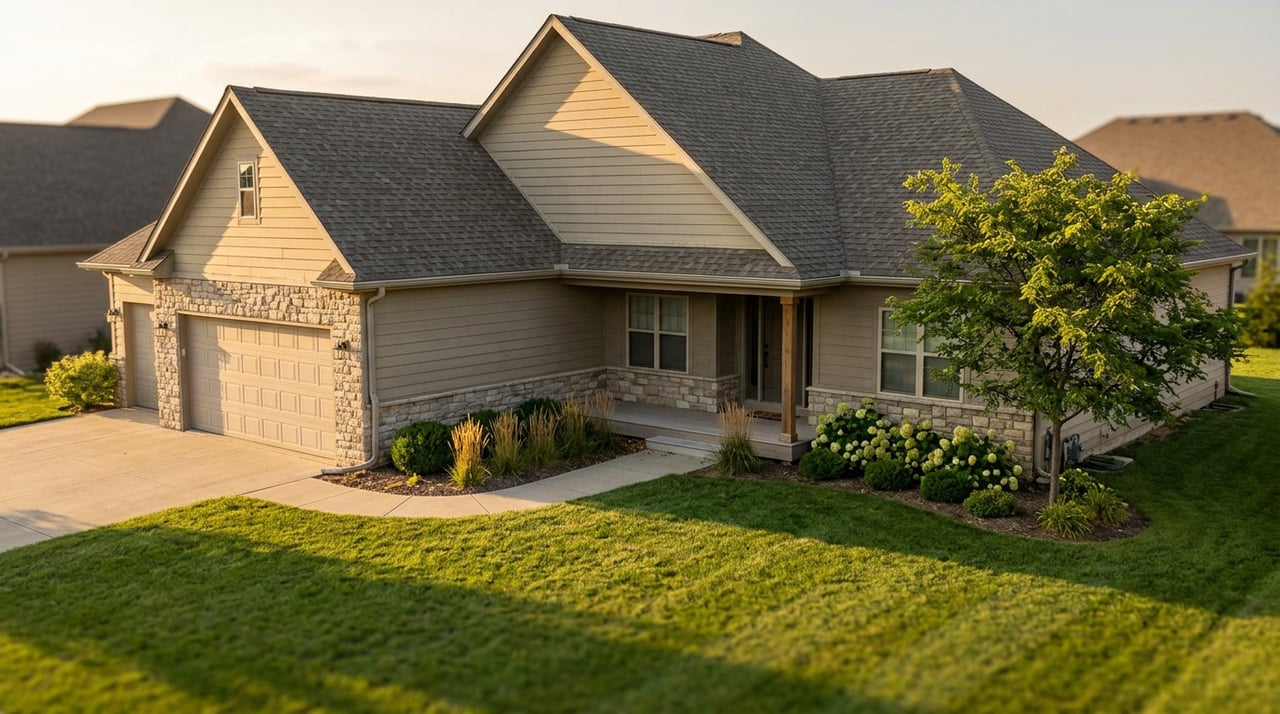
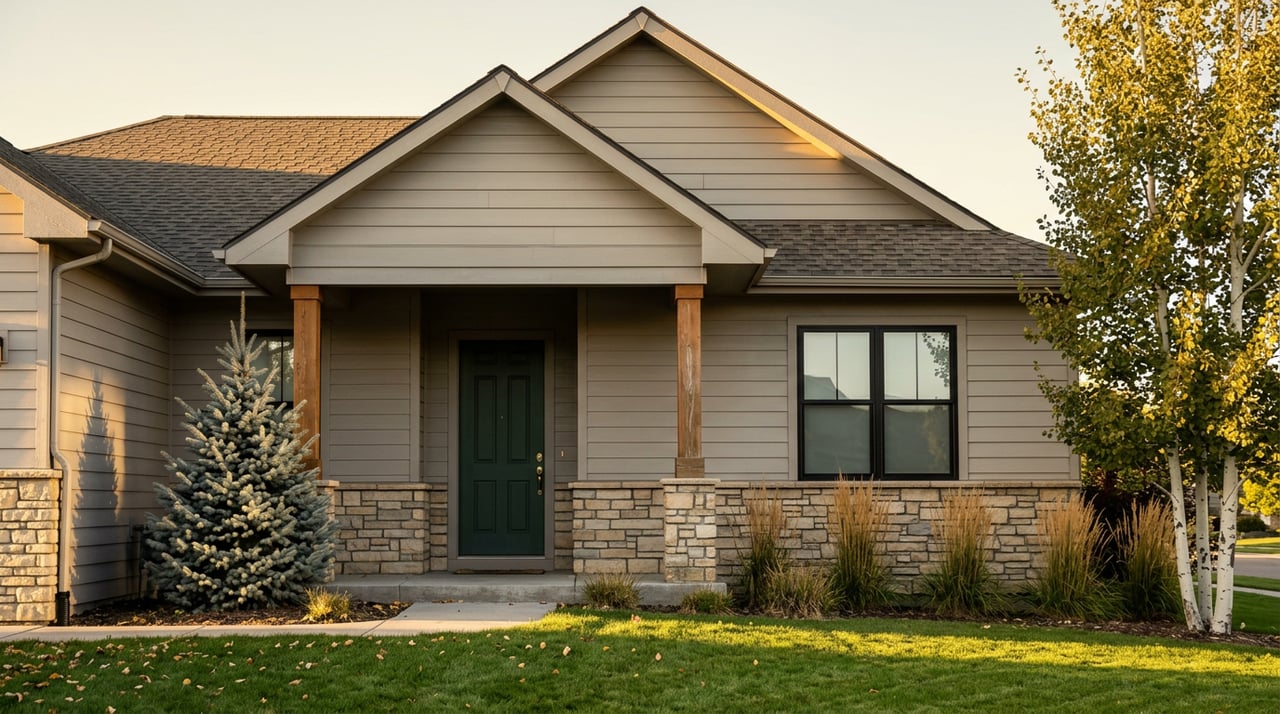
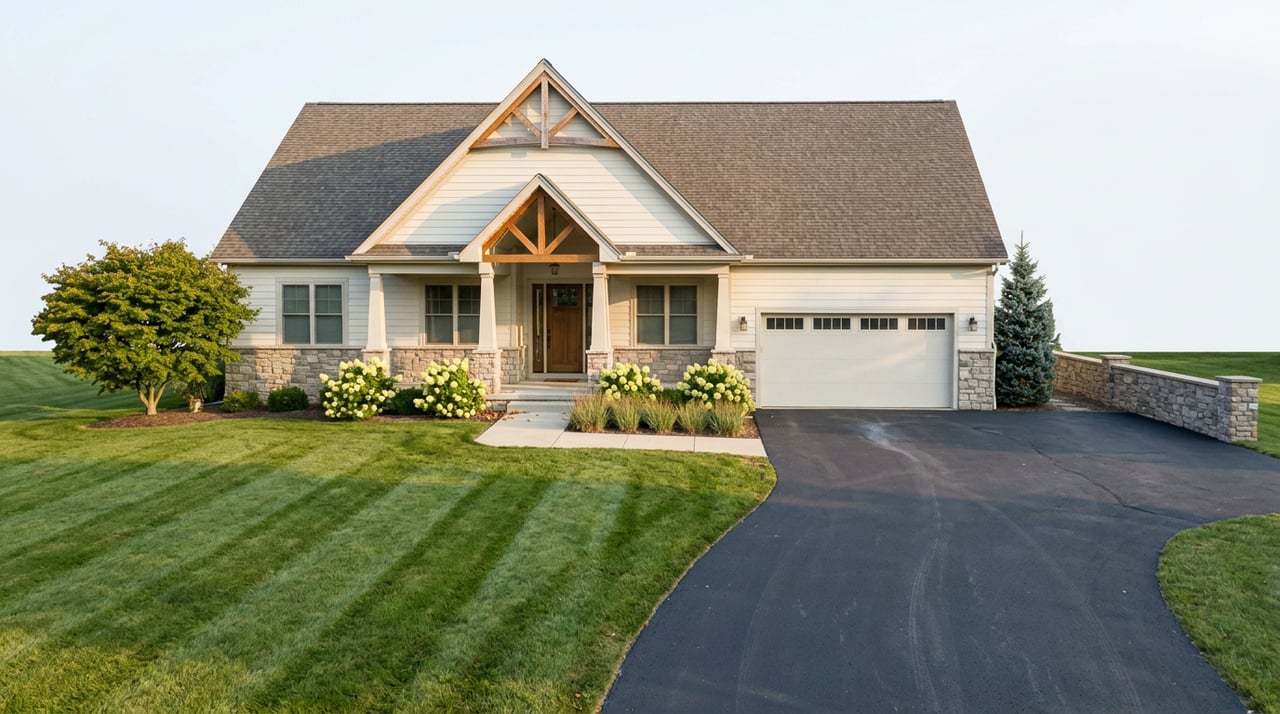
The first tier is entry-level: townhomes and smaller single-family homes on compact lots, generally listing in the $475,000 to $550,000 range. The second tier is the bulk of the city's inventory, tract-built detached homes on a fifth to a third of an acre, running roughly $625,000 to $875,000. The third tier is custom builds and legacy acreage, much of it clustered along the Jordan River Parkway or up on the bench, where prices typically start north of $1.1 million and run well past $2 million.
| Segment | Typical price range | Typical lot size |
|---|---|---|
| Entry-level townhome or small SFR | $475,000 to $550,000 | Under a fifth of an acre |
| Standard tract-built home | $625,000 to $875,000 | Fifth to a third of an acre |
| Custom build or legacy acreage | $1.1 million and up | Half acre to several acres |
Builders like Ivory, Edge, and Holmes are still filling in infill parcels in the middle tier and pushing new subdivisions west toward Herriman, which is where most of Riverton's near-term inventory growth will keep landing. That's a different supply story than the acreage tier, where new construction almost never happens. Legacy parcels don't get built twice. Once a horse property near the Jordan River Parkway sells and gets subdivided, that inventory is gone for good, which is part of why the top tier behaves nothing like the middle one.
A citywide MLS pull covering April 2026 put the median closed price at $624,000, with homes selling at 98.3% of list price and a median of just 18 days from listing to contract. By early summer 2026, Zillow's tracking showed an average home value near $630,000, pending in about 20 days. Those numbers line up well with each other, and they describe the middle tier accurately. They describe the acreage tier badly, because a $1.4 million custom build on two acres and a $520,000 townhome both get folded into the same 18-day median even though they're rarely, if ever, drawing offers from the same buyer pool.
What The Deed Carries That The Square Footage Doesn't
The real split between Riverton's markets isn't cosmetic. It's written into the zoning designation on the parcel, and it changes what a buyer can actually do with the property after closing.
Riverton's own planning code ties farm-animal rights to lot size and zone. Properties zoned A-5, R-1, or RR-22 that sit on at least half an acre can keep chickens under the city's farm-animal rules. Smaller lots in those same zones cap out at six hens and no roosters. Standard single-family lots without that zoning get even less room: eight thousand square feet or larger allows up to six chickens, five to eight thousand square feet allows four, and anything under five thousand square feet allows none at all. That threshold is exactly why a horse property a few blocks from a standard subdivision can command double the price per square foot. It isn't buying more house. It's buying a right the house next door doesn't have.
Water shares complicate the acreage tier further. Older parcels along the Jordan River Parkway and the bench were frequently platted with irrigation shares attached to the land, sometimes described in listings as dual water sources. Those shares transfer with the deed, but not automatically or cleanly, and a buyer who assumes every acre lot comes with usable irrigation water is making an assumption the paperwork won't necessarily back up.
A house and a horse property that look similar in photos can be two entirely different legal instruments once you read what's actually attached to the land.
Riverton has also opened a door that didn't exist a few years ago: accessory dwelling units are now allowed in all single-family residential zones, subject to a one-time ADU permit through the city's planning department, unless the space is being rented to family. That ordinance touches the standard tract tier and the acreage tier differently. On a quarter-acre lot, an ADU usually means finishing a basement. On an acre with an existing outbuilding, it can mean a genuinely separate structure, which changes the math for anyone weighing an acreage parcel against a standard lot for rental potential.
Short-term rentals follow a similar zone-by-zone logic. Riverton allows them in any residential zone, but only through a Conditional Use Permit, only in owner-occupied homes, and capped at 150 nights a year with a maximum 29-night stay and eight renters at a time. That's a real constraint for anyone buying with rental income in mind, and it applies the same whether the property is a townhome or a two-acre parcel.
Why A Median Can Break Down Even Faster Than You Think
The city-level median hides the three-tier split. Narrow the geography and the number gets even less stable. In one small pocket on Riverton's south side, tracked separately over the three months ending March 2026, only three homes closed, at a median price of $660,000, down nearly 16% from the same period a year earlier. Average days on market in that same pocket swung from 119 days the year before to just 6 days in this window.
That's not a market cooling or heating. That's a sample size of three homes producing a headline number that would look dramatic in either direction depending on which three homes happened to close that quarter. It's the clearest illustration of why a single median, whether it's citywide or narrowed to a small pocket, tells you almost nothing about what you'll actually pay for a specific type of property in a specific part of Riverton. The number is real. It just isn't describing what you think it's describing.
What This Means Before You Write An Offer
A buyer comparing Riverton against South Jordan, Herriman, or Draper on median price alone is comparing three numbers that were each built from a different mix of these tiers. Before treating any of them as a like-for-like comparison, it's worth checking a few things specific to Riverton:
- Confirm the parcel's actual zoning designation rather than relying on a listing's "horse property" flag, since the animal rights and buildable envelope depend on the zone and lot size, not just the marketing language.
- Ask directly whether water shares are included and whether they've historically been used, especially on any acreage or legacy parcel near the Jordan River Parkway or the bench.
- If rental income is part of the plan, check ADU eligibility and short-term rental permitting status before assuming either is a given, since both require permits the current owner may or may not have already secured.
- Expect a faster offer clock in the standard and entry tiers, where sellers frequently set a Monday or Tuesday deadline after a Friday listing, and a slower, more negotiated timeline in the acreage tier, where thin inventory means listings sometimes sit for months waiting for the right buyer.
A Few Direct Questions
Does every horse-zoned lot in Riverton come with usable water rights? No. Water shares are common on older acreage parcels but they transfer with specific paperwork, and a buyer should confirm the share count and delivery history rather than assume dual water access applies just because the property is zoned for horses.
Can I build an ADU on a standard quarter-acre lot, not just on acreage? Yes. Riverton's ordinance allows accessory dwelling units in all single-family residential zones, though it still requires a one-time ADU permit through the city planning department unless the unit is being rented to family.
Why do some Riverton listings sell in under a week and others sit for months? It usually comes down to which tier the property sits in. Entry-level and standard tract homes are moving on tight, deadline-driven timelines right now, while acreage and custom parcels depend on a much smaller pool of buyers and can take far longer to find the right match.
If you're weighing Riverton against another Wasatch Front suburb and want to know which of these three markets your budget actually lands in, Steve Schoonover can walk through current inventory by tier and pull a comparison built around your specific price range. Get Your Free Home Valuation to see where your numbers fit before you start touring.