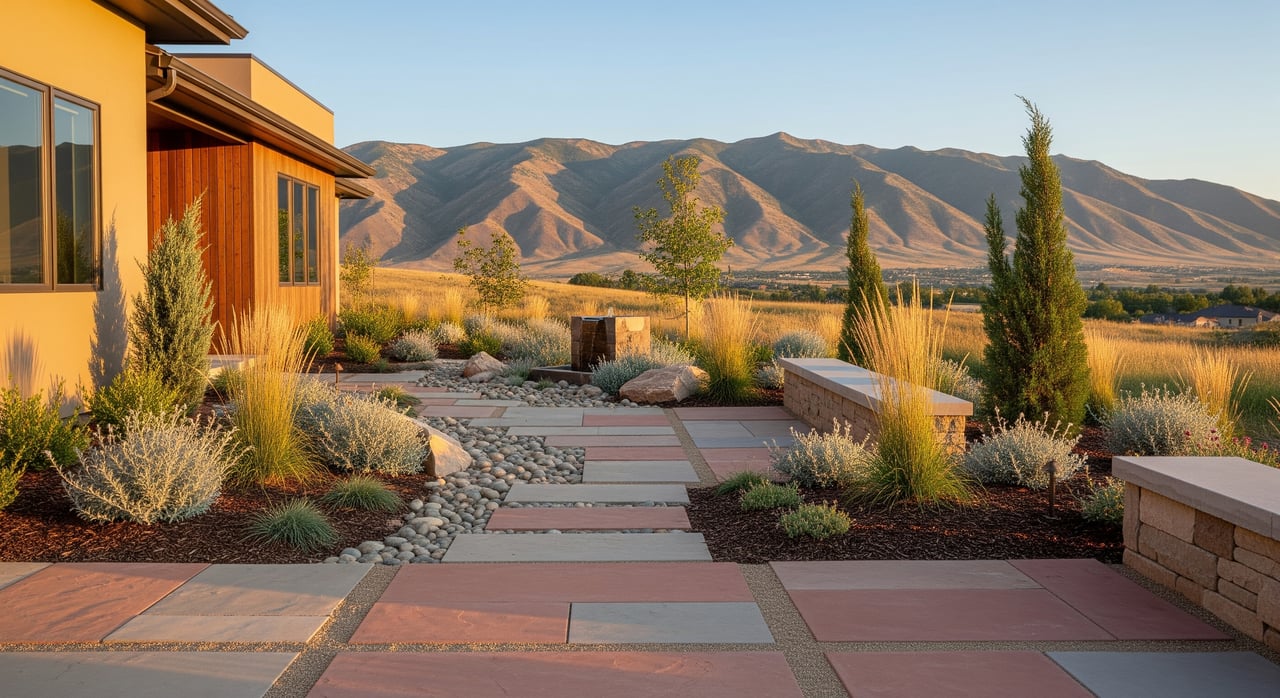
Do you want a yard that looks great without draining your time or your water bill? In Saratoga Springs, a smart, water‑wise landscape is not only possible, it fits how our community waters outdoor spaces. If you design with our semi‑arid climate and pressurized irrigation in mind, you can enjoy a beautiful, low‑maintenance yard with fewer headaches. This guide shows you what works here, from plant choices to PI‑friendly irrigation and where to look for local rebates. Let’s dive in.
Why water‑wise fits Saratoga Springs
Saratoga Springs has warm, dry summers and cold winters, with most rain and snow arriving from late fall through spring. Summer has high evaporative demand, so traditional lawns and frequent shallow watering struggle. You save water and get better results when you pick drought‑tolerant plants and irrigate deeply but less often.
Many neighborhoods receive non‑potable pressurized irrigation for outdoor watering on a separate meter. Because PI is seasonal and pressure‑limited, landscapes that use drip, mulched beds, and smaller turf areas perform best. Designing for shade, wind protection, and soil health also reduces water loss.
Know your pressurized irrigation
What PI water is
PI supplies non‑potable secondary water through a separate distribution system for landscape use. Do not connect PI to your indoor plumbing. Avoid irrigating edible crops with PI unless your local utility specifically allows it.
Seasonal availability and schedules
Cities typically turn PI on in spring after freeze risk and shut it off in fall to protect the system. Some areas also set watering windows or limit days per week. Check current start and stop dates, any allowed hours, and rules on your city’s public works or water pages.
Design for PI from the start
PI systems can have fixed pressures and delivery limits. Plan zones so trees, shrubs, and turf water separately. Use pressure‑compensating drip where needed to keep coverage even. Choose plants that handle intermittent irrigation.
Design your yard for less water
Hydrozone layout
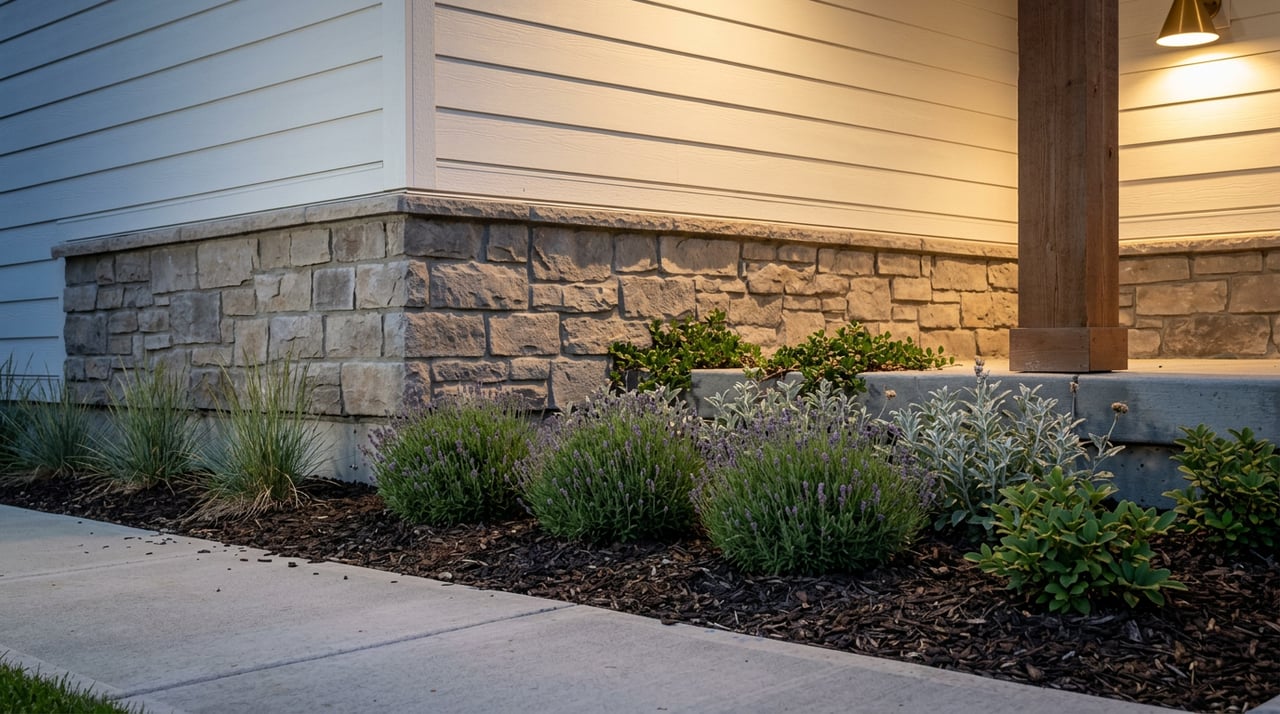
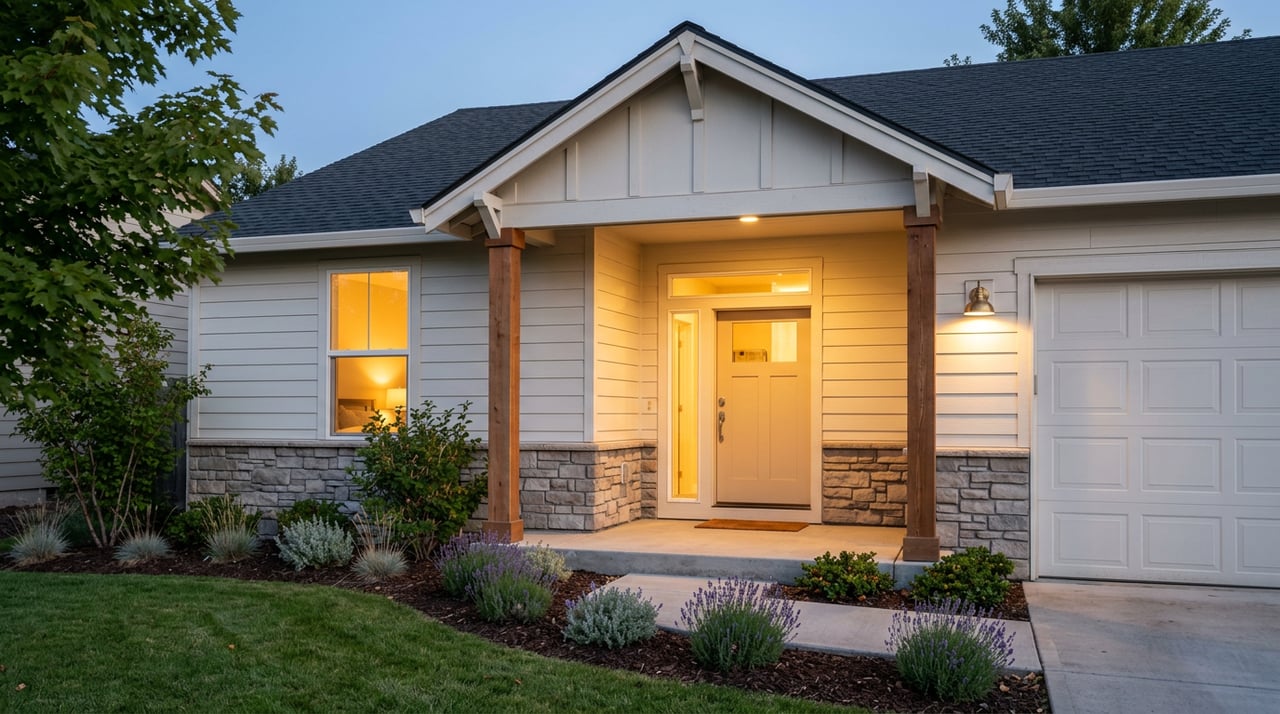
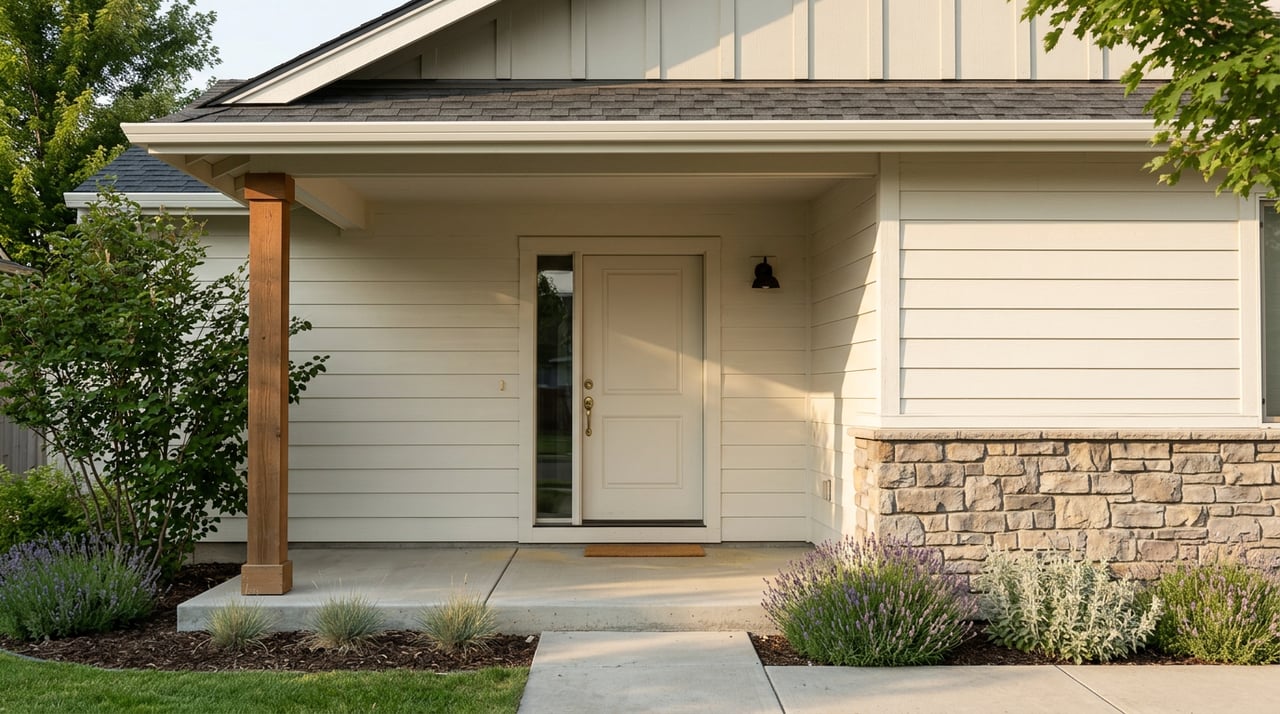
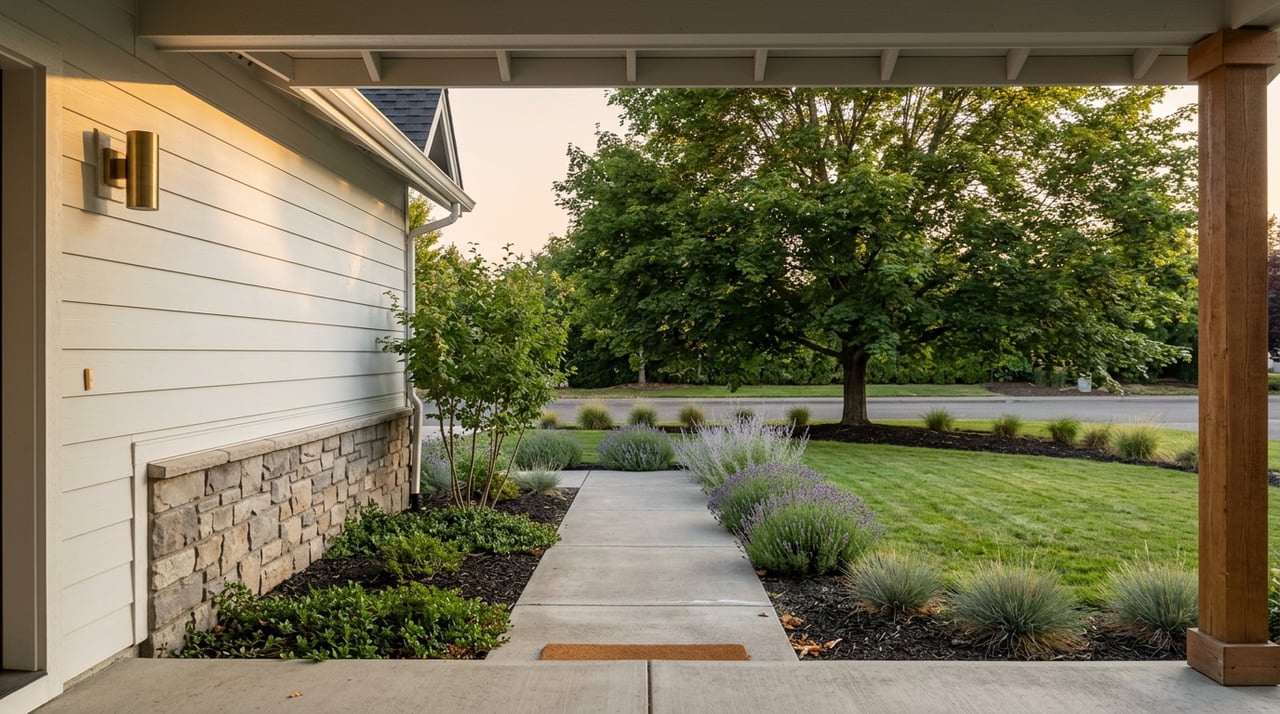
Group plants by water need so you do not overwater one area to keep another alive. Trees and larger shrubs often belong in deeper‑watering zones, while low‑water perennials and ornamental grasses can share a leaner zone. Place the most drought‑tolerant plants in the driest spots.
Soil and mulch strategy
Healthy soil holds water and feeds roots. Use soil tests to guide amendments and avoid unnecessary tilling. In planting beds, maintain 2 to 4 inches of organic mulch, keeping it off trunks and stems. In extra‑hot spots, gravel mulch over a planned plant layout can cut watering, but avoid large areas of bare rock.
Rethink turf
Keep conventional lawn only where you use it for play or gathering. Consider lower‑water turf species or swap some grass for groundcovers, ornamental grasses, or small hardscape seating areas. Smaller, well‑managed turf areas are easier to irrigate efficiently.
Smarter irrigation with PI
Match method to plants
Use drip or bubblers for trees and shrubs. For lawn, choose efficient spray or rotor heads with matched precipitation rates. Avoid sprinklers in mulched beds to reduce waste and weeds.
Use smart controllers
Weather‑based or soil‑moisture controllers adjust watering to local conditions and can qualify for rebates in many areas. Review guidance from EPA WaterSense on weather‑based controllers to choose models that meet efficiency standards.
Seasonal adjustments and winterization
Run times should change with the seasons. Water less in spring and fall, then step down before the city shuts PI off. After shutdown, follow local winterization guidance for private laterals and components to prevent freeze damage.
Plants and materials that thrive here
Trees, shrubs, perennials, and grasses
Favor native and regionally adapted species that tolerate semi‑arid summers and alkaline soils. Mix shade trees for cooling, evergreen shrubs for structure, and drought‑tolerant perennials and bunch grasses for seasonal color. For vetted suggestions, use Utah State University Extension plant guides tailored to Utah County and the Intermountain West.
Groundcovers and lawn alternatives
Low‑water groundcovers can reduce turf without leaving bare soil. Choose species that match your sun and soil. Where you need a durable surface, use small hardscape pads or decomposed granite seating areas.
Hardscape and edges
Permeable pavers, crushed‑stone paths, and shade structures lower irrigation needs and increase usability. Use edging and root barriers to keep gravel and mulch from migrating into turf or sidewalks, and direct stormwater toward planted areas where allowed.
Incentives, rules, and where to check
Rebates and rules change, so confirm details before you start. You can often find:
- Turf replacement rebates for converting high‑water lawn to low‑water planting.
- Irrigation rebates for smart controllers, high‑efficiency nozzles, pressure regulators, or drip conversions.
- Design assistance or incentives for using certified professionals.
Start with these resources:
- Review statewide conservation info and links to local programs from the Utah Division of Water Resources.
- Get technical guidance and plant recommendations from Utah State University Extension.
- Use EPA WaterSense guidance for choosing efficient irrigation products often required by rebates.
- Check your city’s water or public works pages for PI start and stop dates, watering schedules, and any local conservation programs.
Before you apply, verify eligibility, required documentation, approved materials or plant lists, and whether the program applies to PI or only to potable water systems.
Seasonal care checklist
Spring
- Confirm the city’s PI startup timing and inspect your system for leaks.
- Refresh mulch and adjust the controller for cooler spring weather.
- Plant warm‑season perennials once frost risk passes.
Summer
- Water deep and infrequently to promote roots.
- Raise mower blades to reduce turf stress and evaporation.
- Prune minimally and monitor for pests.
Fall
- Gradually reduce irrigation as temperatures drop.
- Prepare your system for the PI shutdown and drain laterals if needed.
- Plant trees and some shrubs that establish well in fall.
Winter
- Ensure PI is off and protect young trees from wildlife damage.
- Plan next year’s upgrades and gather bids if you will rework zones.
Your next steps
- Assess your site. Note sun and shade, wind exposure, slopes, and how water drains. Map existing PI laterals, valves, and meter info.
- Check rules and incentives. Confirm PI schedules, allowable watering times, and any rebates or design assistance you can use.
- Create a concept plan. Sketch hydrozones, right‑size any turf, list plants, and choose irrigation types by zone.
- Get bids and timelines. Seek landscapers experienced with PI and ask about warranties and establishment watering plans.
- Document for rebates. Take before and after photos, keep receipts, and save model numbers for any efficient equipment.
A water‑wise yard can boost curb appeal, lower maintenance, and make your Saratoga Springs home more enjoyable. If you are planning to sell or just want a smarter landscape, let’s talk about what adds value in your neighborhood. Get local guidance and market insight from Utah Homes by Steve. Get Your Free Home Valuation.
FAQs
What is pressurized irrigation in Saratoga Springs?
- PI is a separate, non‑potable water system for outdoor use that typically runs spring through fall. It has its own meter, pressure limits, and sometimes watering schedules set by the city.
Can I water vegetable gardens with PI water?
- Often no. PI is usually non‑potable and not recommended for edible crops unless your local utility specifically permits it. Check your city’s rules before irrigating edibles.
How can I reduce lawn without losing usability?
- Keep only the turf you actively use for play or gathering. Replace the rest with low‑water groundcovers, ornamental grasses, or small hardscape seating areas that are easy to irrigate efficiently.
Do native plants need irrigation once planted?
- Most natives still need regular watering during the first one to two growing seasons. After establishment, many require much less supplemental water, especially when mulched.
What smart irrigation upgrades are worth it with PI?
- Weather‑based or soil‑moisture controllers and pressure‑compensating drip components help match watering to actual needs. Look for products that meet EPA WaterSense criteria and check for local rebates.